One of my favorite parts of planning the summer garden is choosing seeds. Before anything is planted, before the soil is warm and the beds are full, there’s this quiet, hopeful stage where every seed represents a possibility. This year, I’m focusing on planting a diverse mix of summer crops that will thrive in the heat, feed our family, and keep the garden productive all season long.


Instead of planting just one type of each crop, I like to grow several different varieties. This approach helps with flavor, harvest timing, resilience, and (let’s be honest) it keeps gardening exciting.
Below is a look at the types of seeds I’m planting for summer and why I choose to grow multiple varieties of each.
Tomatoes: The Heart of the Summer Garden
Seed varieties: Costoluto Genevese, Riesentraube, 4th of July


No summer garden feels complete without tomatoes. I always plant more than one type because tomatoes serve so many different purposes. Some are perfect for fresh eating, others shine in sauces, and some hold up beautifully for preserving. The Genovese tomato is the perfect heirloom/pumpkin shaped tomato which is perfect for cutting and also canning. Riesentraube produces an enormous harvest of small cherry tomatoes, and the 4th of July tomato is ready early (by the 4th of July)!
Growing multiple varieties also spreads out harvest times and helps hedge against issues like cracking, pests, or extreme heat. If one struggles, another usually thrives.
Peppers: Sweet, Spicy, and Everything in Between
Seed varieties: Shishito, Jalapeno, Etuida orange bell pepper
Peppers love summer heat, making them a staple in my warm season garden with a long, hot growing window. I like to grow a mix that works for fresh eating, cooking, drying, and preserving.
Different pepper varieties mature at different speeds and handle heat differently, so planting several types ensures a steady harvest rather than everything ripening at once.


Squash & Zucchini: High Yield, High Reward
Seed varieties: Kurinishiki kabocha, luffa, turks turban, jarradale, grizzly bear pumpkin, crookneck, golden zuchinni


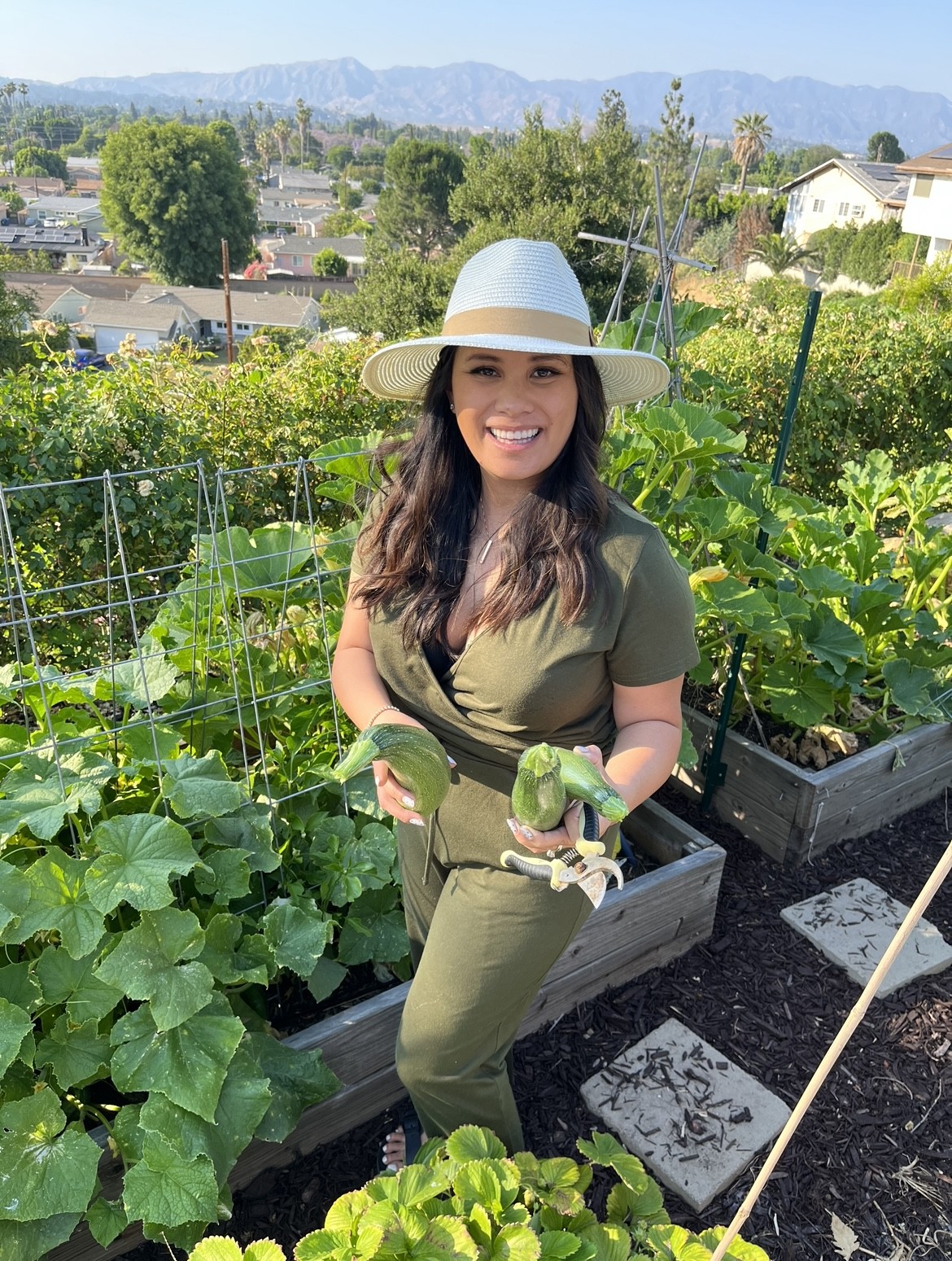
Summer squash is one of the most productive crops in the garden. I plant multiple varieties not only for variety in shape and color, but also to reduce the risk of pests or disease wiping out the entire crop.
Some varieties are better for grilling, others for baking or storing in the fridge, and having options keeps meals interesting all season long. I love the Kabocha as a sweet option for Asian dishes, the Jarradale is also so sweet and perfectly orange on the inside which is perfect for pumpkin pies. Turks turban looks like a mushroom, which my kids love! The grizzly bear pumpkin is a whimsical warty looking orange squash that is so fun to grow. Luffa is incredibly practical as a squash one can eat, and also use a scrub or sew together as nesting pads for chickens. Finally, crookneck and zucchini are so prolific, everyone in the neighborhood will be reaping benefits once they start producing.
Cucumbers: Fresh Eating and Preserving
Seed varieties: Beit alpha

Cucumbers are another summer essential. I usually plant different types based on how we plan to use them: some for slicing fresh, others for pickling.
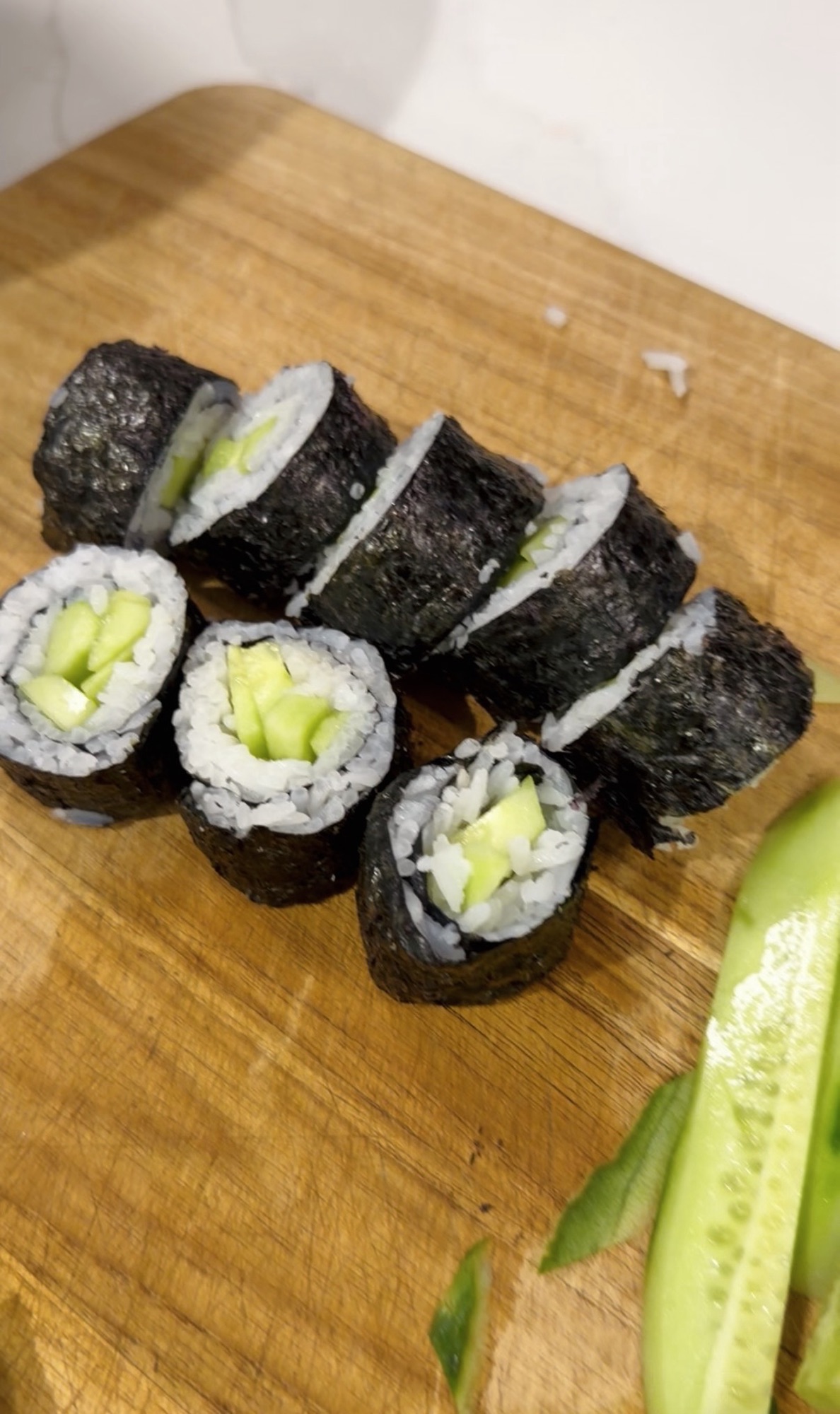
Spacing out varieties also helps with harvest timing and can improve pollination, especially during peak summer heat. My absolute favorite is Beit Alpha, small and sweet. We’ve pickled this cucumber, made cucumber rolls, tzatziki, and everything in between! Truly a hard worker.
Beans: Fast, Reliable Producers
Seed varieties: trail of tears black bean, canellini, romano beans, purple pole beans
Beans are one of the easiest summer crops to grow, and they reward you quickly. I plant multiple varieties to extend the harvest window and ensure consistent production.
Some are better for fresh eating, while others are great for freezing or drying. They also improve soil health, which is always a bonus.
Herbs: The Supporting Cast
Seed varieties: genovese basil, chives, dill, borage, chamomile
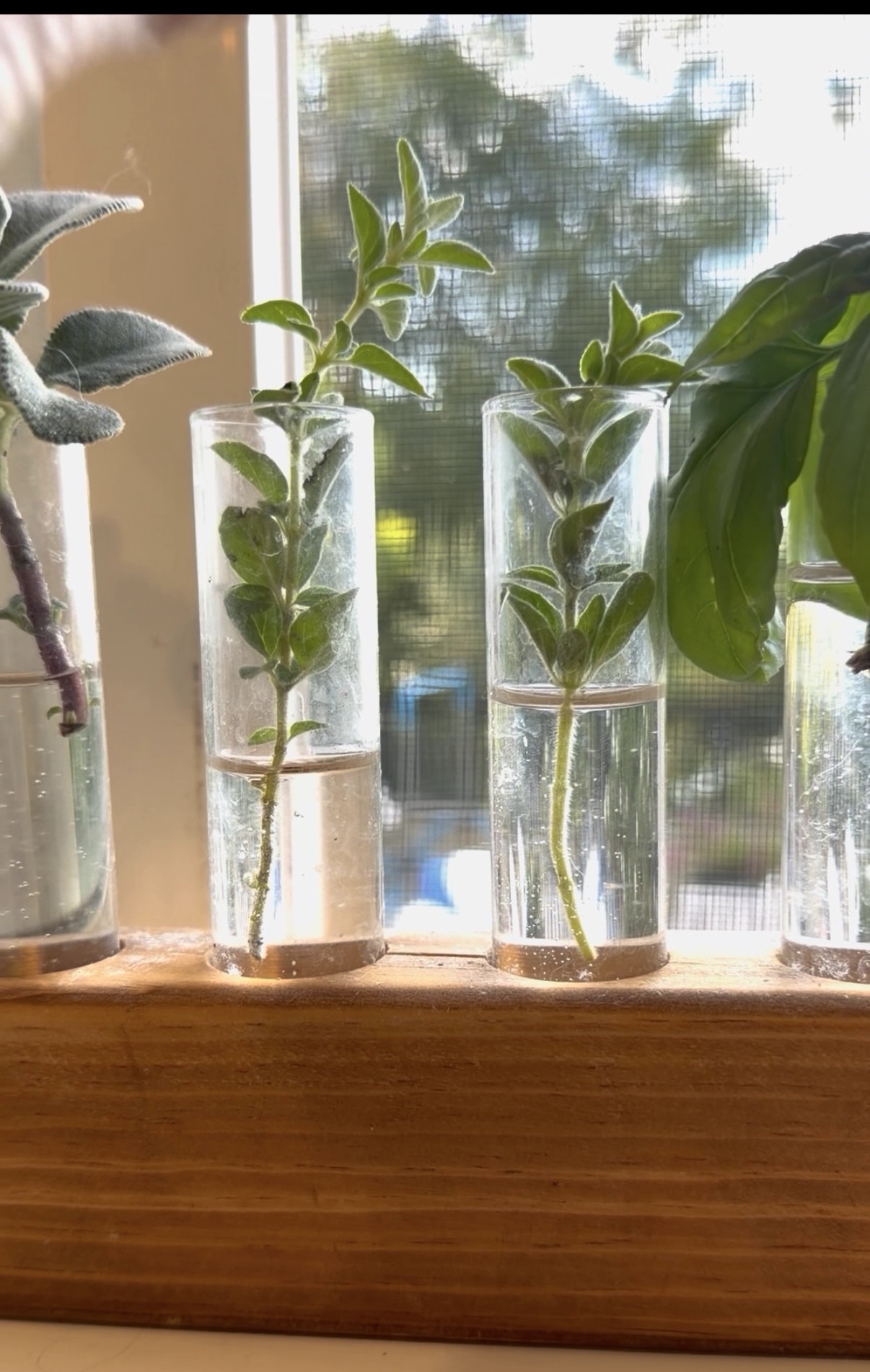
Summer herbs thrive in warm weather and add so much value to the garden. I plant herbs for cooking, preserving, and pollinator support.
Having a variety on hand means meals come together more easily, and many herbs continue producing well into late summer.
Why I Plant Multiple Varieties of Everything
Planting a diverse selection of seeds isn’t just about aesthetics, it’s a practical strategy. Different varieties handle heat, drought, pests, and disease differently. Diversity increases the chances of success and helps create a more resilient garden overall.
It also allows me to experiment. Every season teaches me something new about what thrives in my space, what we use the most in the kitchen, and what’s worth planting again next year.
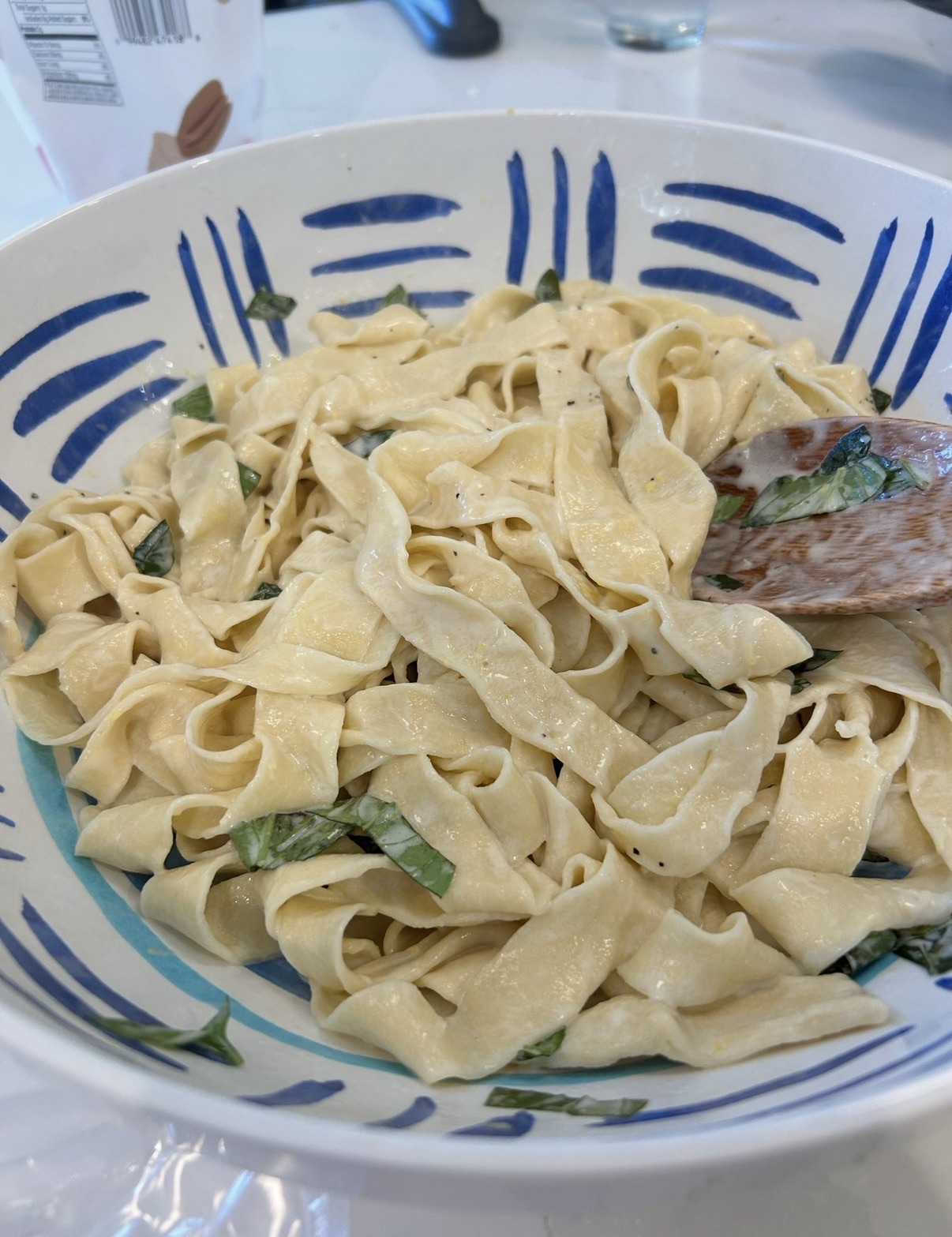
Choosing seeds is where the summer garden really begins. While the exact varieties may change from year to year, the goal stays the same: a productive, nourishing garden that works with the season instead of against it.
I can’t wait to see how these seeds grow, adapt, and eventually make their way onto our table.



Leave a Reply