How we turned our 1/4 acre suburban backyard into the tiny homestead of my dreams!
We purchased our home when the world was shut down in the biggest deal of my life to date. I began gardening in the windowsill of my 8th floor apartment almost 20 years ago in the heart of Los Angeles, so owning a home with a yard has been a lifelong dream. Imagine my surprise when a home with a yard on a hill became available! The problem was that the home needed a complete renovation and the backyard was overgrown.


When we moved onto our little ¼ acre urban homestead in Los Angeles, we knew we wanted a thriving backyard vegetable garden but we were starting with nothing but wildfire tinder, shade, and hard, dry soil. No raised beds, no irrigation, no plan.
This post is for anyone beginning a garden or dreaming of starting one and perfect for small-space gardeners, urban homesteaders, or anyone wanting to grow real food at home. Let me walk you through our story! (Read until the end to see photos of the finished results!)
Step 1: Choosing the best spot for our garden
Before building beds, we watched the sun patterns for a full week. In Los Angeles, we’re lucky! 8+ hours of sun is easy to find, but the tricky part is knowing where that sun actually falls throughout the year. We also learned that because we are living on a hill facing the desert, we receive 30-40 mph wind gusts for a good part of the year.
What we looked for:
- At least 6–8 hours of direct sunlight
- Avoiding shade from fences or neighbor trees
- Access to water
- Flat ground for easier bed building. We had to flatten a portion of the hill for the vegetable garden.
If you’re in a warm climate like LA, aim for morning sun and a bit of afternoon shade for tender crops.
As you can see, in our backyard garden set up, we had to be smart about our small space vegetable garden.
Step 2: Designing Our Garden Layout
We sketched a simple layout on paper first. Nothing fancy, just boxes and circles where we wanted raised beds, pathways, and future features like fruit trees or a chicken coop. I checked pinterest for backyard garden ideas and idyllic garden layouts for vegetable gardens.
Helpful layout tips:
- Leave 18–24 inch paths between beds
- Plan for future expansion (you’ll want more room—trust me!)
- Put tall crops on the north side so they don’t shade others
Step3: Building Our Garden Beds
We built simple wooden raised beds using untreated wood for our DIY garden beds. If you’re on a budget, cinder blocks or galvanized metal stock tanks also work great.
Our beginner-friendly bed size:
4 ft x 8 ft x 12 inches deep — large enough to grow a variety of veggies, but still easy to reach from all sides.
Why we chose raised bed vegetable gardening:
- Better soil
- Fewer weeds
- Warmer soil for earlier planting


Step 4: Filling Our Beds with Good Soil (This Matters Most!)
The biggest mistake beginner gardeners make is skimping on soil. We filled our beds with a simple but effective mix for optimal garden soil preparation:
- high-quality compost
- topsoil. We used Kelloggs, which is a local, high quality soil.
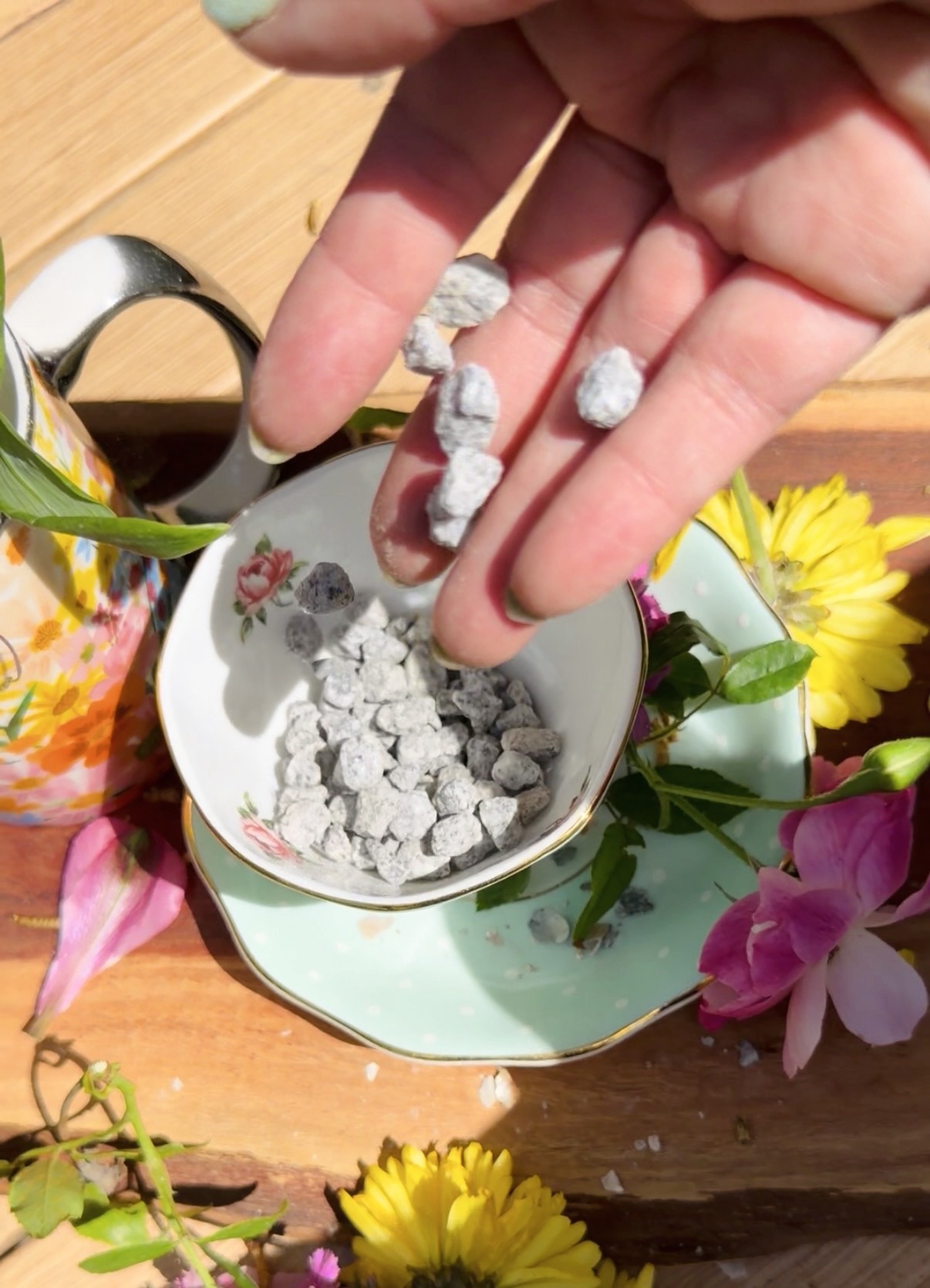
- coarse sand or perlite for drainage
If you’re in Los Angeles or another warm, dry climate, good drainage is essential. Before planting, we watered the soil deeply for a few days to help everything settle.
Step 5: We Chose Easy Veggies and Flowers for Beginners
Our first-season beginner-friendly veggies included:
- Cherry tomatoes
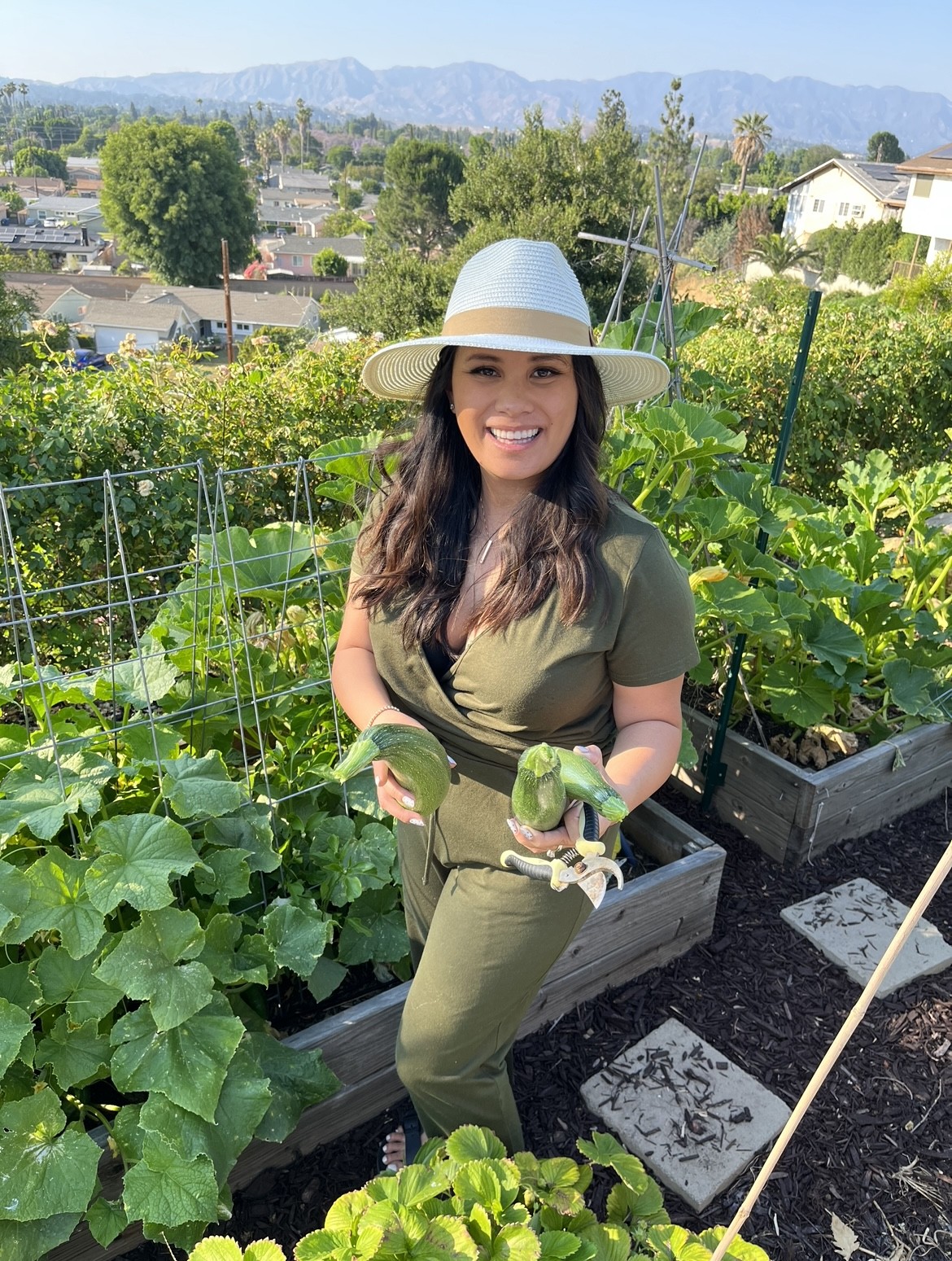
- Zucchini
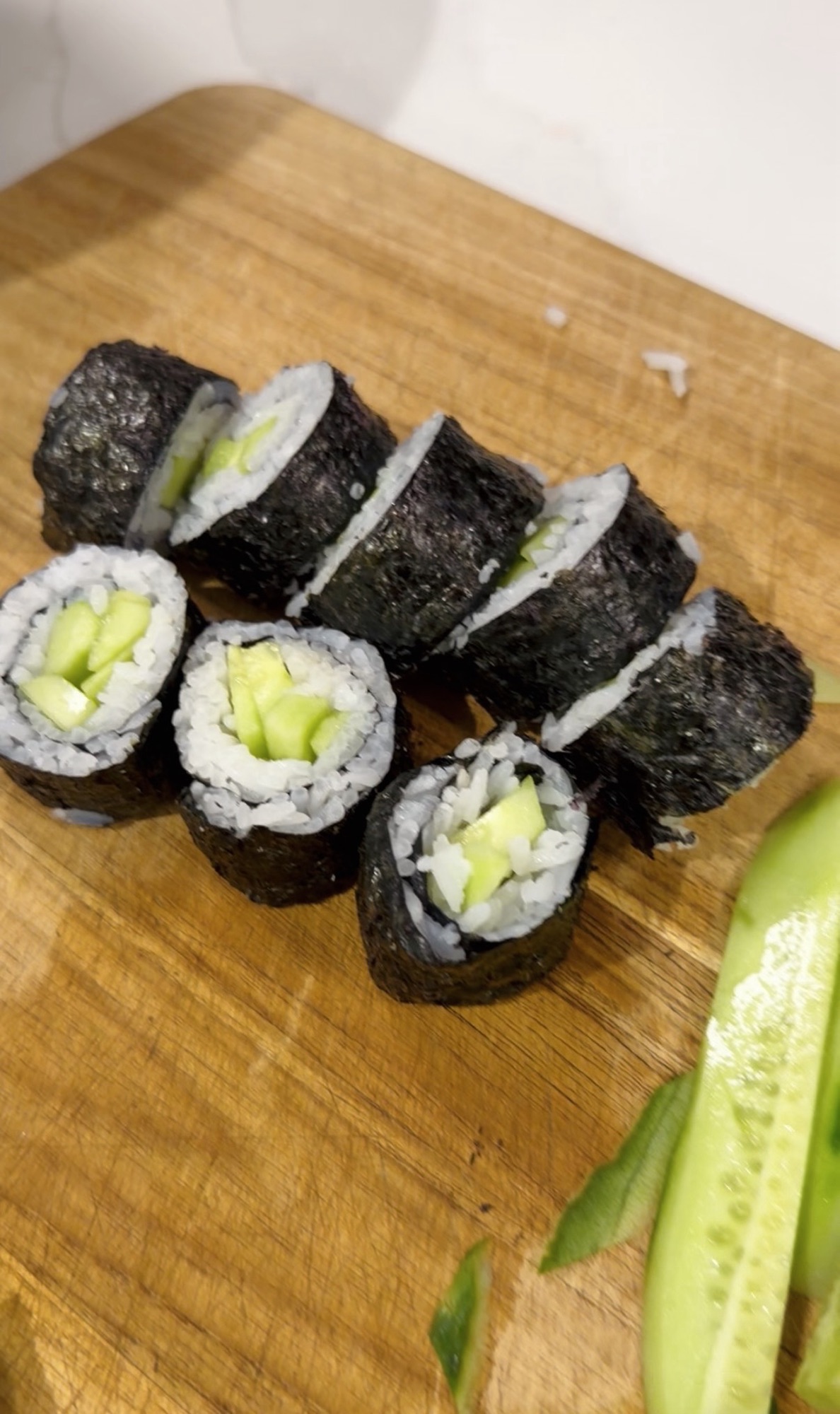
- Cucumbers
- Lettuce
- Green beans
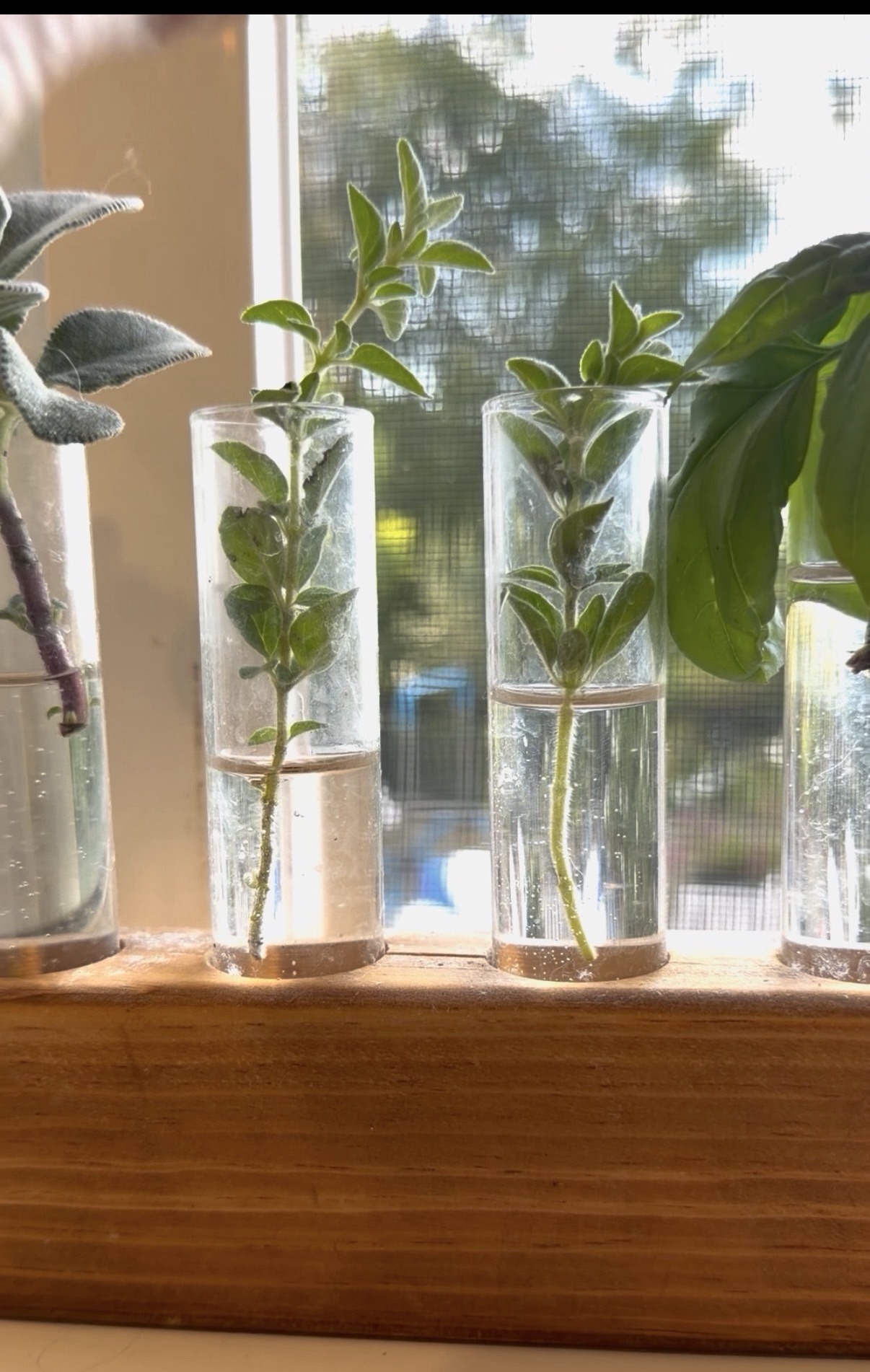
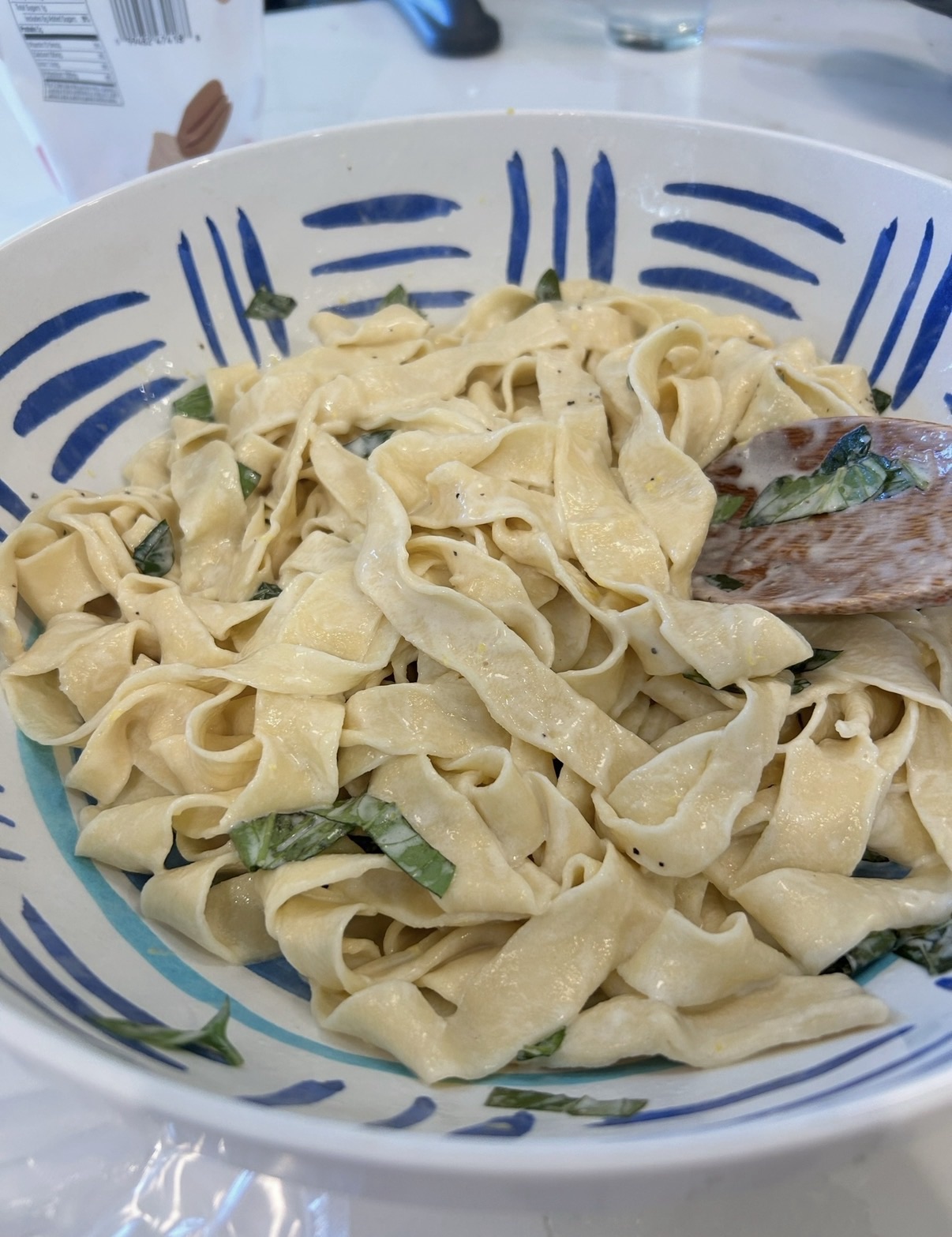
- Herbs (basil, mint, parsley)


Step 6: Set Up Watering
We installed a simple drip irrigation system on a timer that links to an app on our phone. It saves water, keeps leaves dry (important for preventing disease), and is perfect for SoCal gardeners who deal with long, hot summers as the water goes straight to where it is most needed.
Step 7: Plant pollinator plants
In order for our vegetables to be adequately pollinated (and for beauty), we planted roses, lavender, and daisies (Gazanias).


What We Learned Starting Our Backyard Garden From Scratch
- Start small but plan big.
- Invest in soil, it’s worth every dollar.
- Don’t overplant your first season. Keep it manageable.
- You can grow a lot on a small backyard homestead.
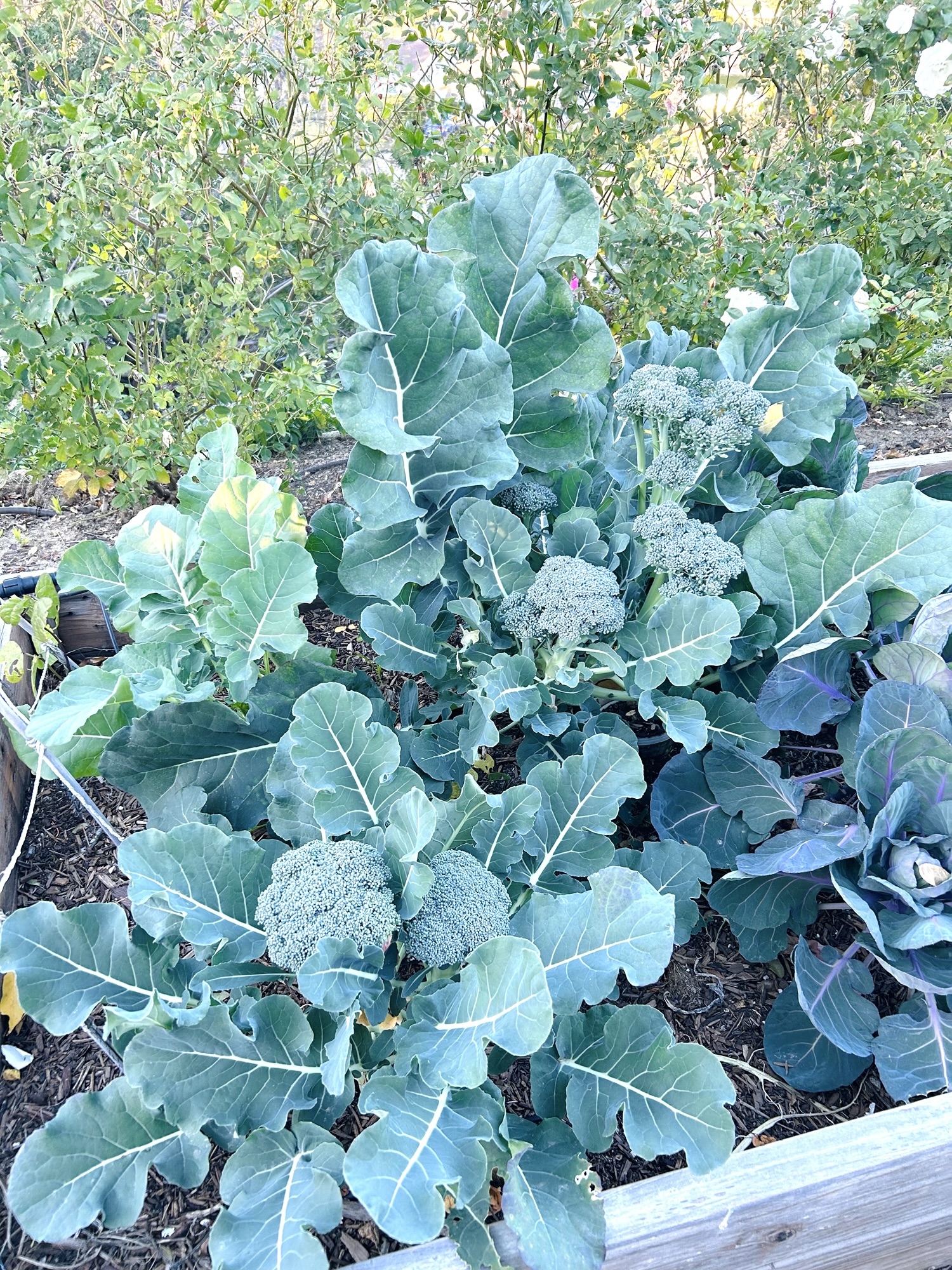
Our once-empty backyard is now full of raised beds, herbs, vegetables, flowers, chickens, and homegrown food. All produced on our small LA lot!



Leave a Reply